Introduction
In our busy globe, emergencies can strike at any moment, whether in your home, job, or in public rooms. Being prepared to react effectively can make the distinction between life and death. This is where emergency treatment enters into play. While many view a first help course as simply a need for certain professions or an enhancement to their return to, it prolongs much beyond that. It incorporates abilities that empower individuals to act confidently during emergencies.
First aid understanding not only conserves lives but also enhances area safety and security and develops strength among people of all ages. In this short article, we will certainly check out the complex duty of first aid in day-to-day life-- exploring its value, the training involved, and exactly how it furnishes people with vital skills that resonate via different facets of life. So, twist up as we dig much deeper right into The Duty of Emergency treatment in Everyday Life: More Than Simply a Certificate
The Role of Emergency treatment in Everyday Life: More Than Just a Certificate
Understanding Initial Aid
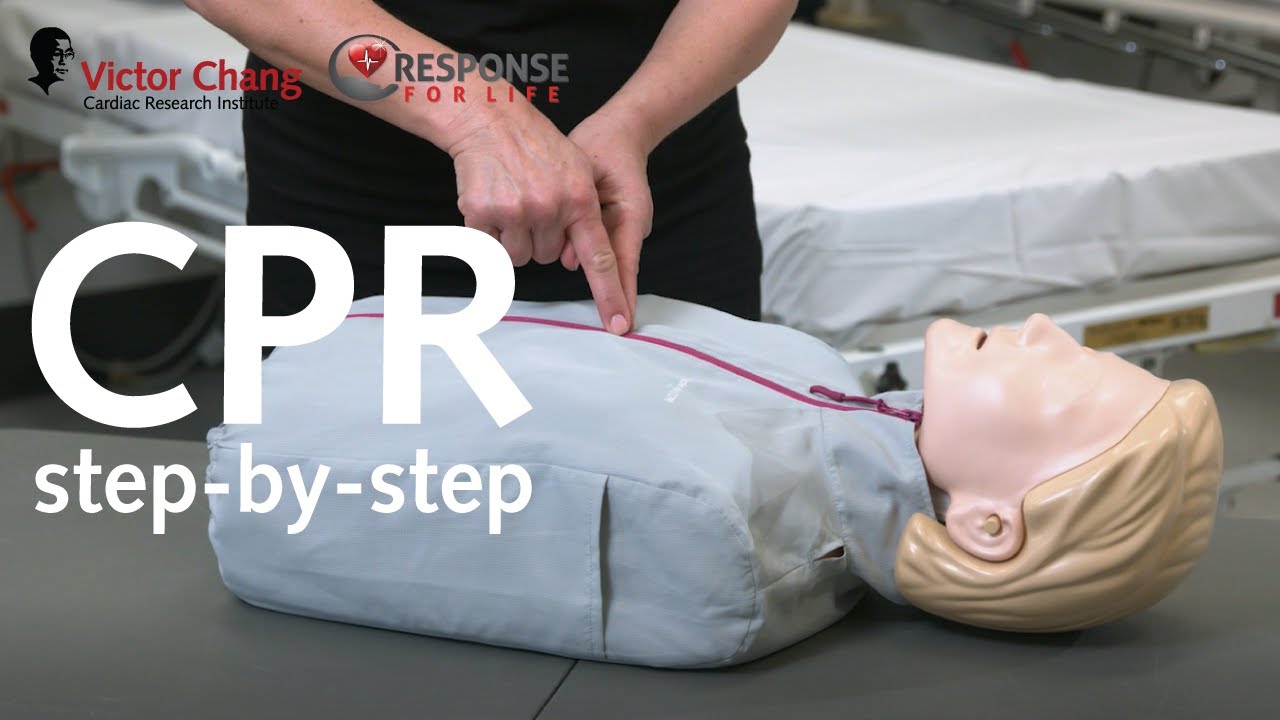
First aid describes the immediate care given to somebody who has suffered an injury or health problem prior to professional medical assistance arrives. The purpose is straightforward: support the patient's condition and protect against more damage. This might include basic strategies like using plasters, executing CPR (Cardiopulmonary Resuscitation), or utilizing an Automated External Defibrillator (AED).
It's crucial to acknowledge that first aid isn't almost physical injuries; it encompasses mental health emergencies also. As an example, providing assistance during an anxiety attack or recognizing signs of shock can likewise belong to efficient very first aid.
The Value of First Aid Training
Why must every person think about enlisting in a first aid course? The response lies in readiness. Emergencies are unpredictable; nevertheless, being educated means you can respond quickly and successfully when they occur.
Confidence Building: Recognizing exactly how to take care of emergency situations imparts confidence not simply in on your own but additionally guarantees those around you. Community Security: Educated individuals contribute substantially to total community safety by providing aid during crises. Legal Protection: Lots of areas have Good Samaritan legislations that secure those who supply assistance in emergencies from legal repercussions.
The Framework of a First Aid Course
A typical first aid course often covers:
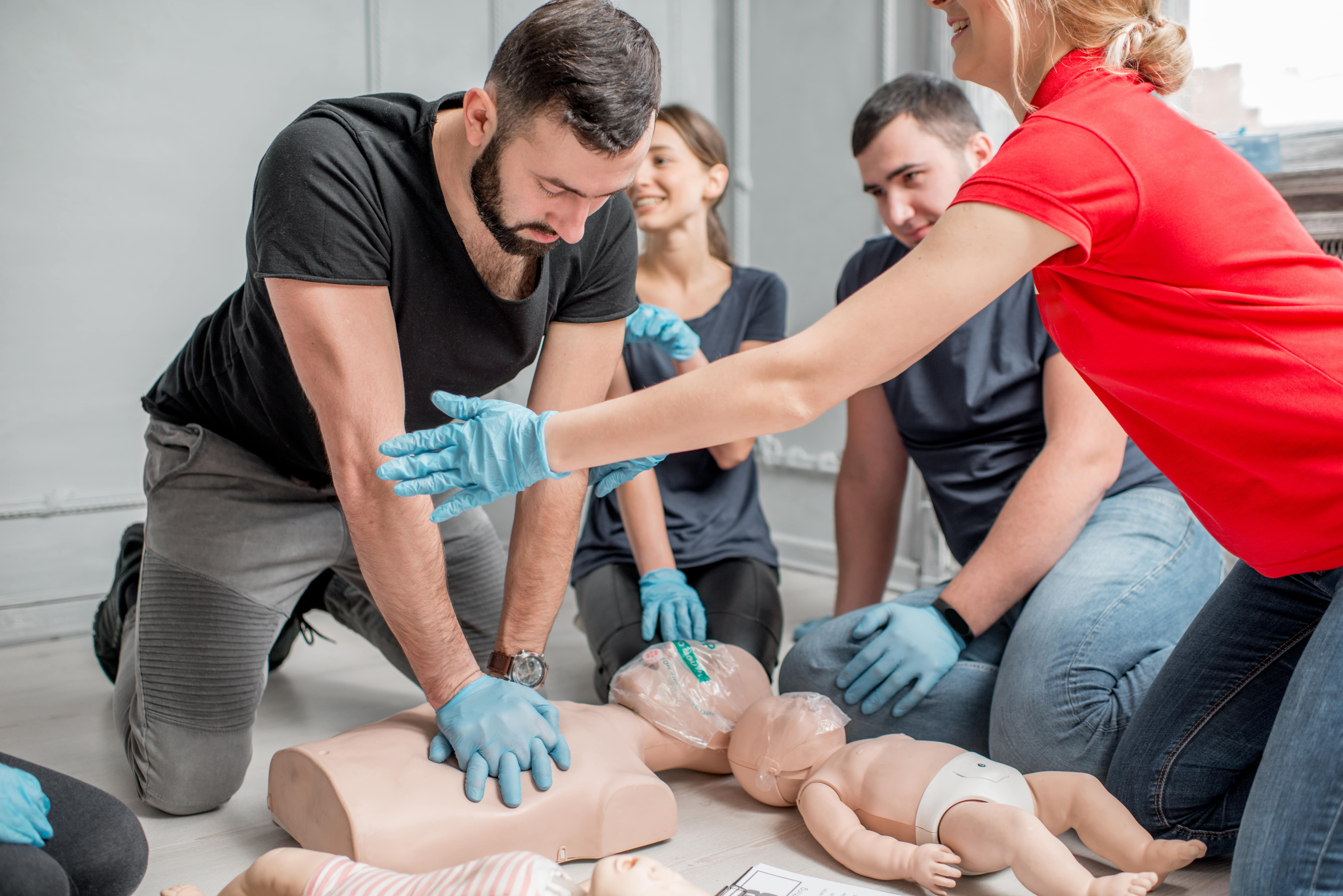
- Basic CPR techniques Use of AEDs Bandaging wounds Responding to choking incidents Treating burns and fractures Managing shock and seizures Mental health very first aid
Courses might vary from basic training sessions lasting a few hours to comprehensive multi-day workshops where individuals gain a first help certificate upon completion.
Why Select mouth-to-mouth resuscitation Courses?
CPR training courses particularly focus on teaching lifesaving techniques that can be utilized when someone stops breathing or their heart stops whipping.
Key Elements:
- Adult, youngster, and infant mouth-to-mouth resuscitation techniques Rescue breaths vs. breast compressions Recovery positions
According to numerous researches, timely mouth-to-mouth resuscitation can increase and even triple the possibilities of survival for cardiac arrest targets. As a result, spending your time right into a CPR course is certainly worthwhile.
How to Select the Right Course
With numerous organizations providing training worldwide, choosing the appropriate program might appear complicated. Here are some ideas:
Accreditation: Make sure the institution is recognized and accredited. Course Content: Testimonial what specific skills are taught. Teaching Design: Some people find out far better with hands-on technique; check if useful presentations are included. Location & Timing: Opt for courses that fit your timetable without added stress.First Aid Skills Everybody Ought To Master
1. Choking Management
Choking is just one of the most usual emergency situations ran into daily; therefore knowing just how to carry out stomach thrusts (the Heimlich maneuver) can be lifesaving.
Steps:
Assess the situation-- ask if they're choking. Stand behind them, put your arms around their waist. Make a fist with one hand and area it above their navel. Grasp the clenched fist with your other hand and thrust internal and upward till they cough or breathe again.2. Performing CPR
As described previously, CPR is important for any person experiencing cardiac arrest:
Steps:
Call emergency services immediately. Begin breast compressions at a rate of 100-120 compressions per minute. If educated, provide rescue breaths after every 30 compressions (30:2 proportion). Adelaide First Aid Course Near Me3. Dealing with Wounds
Wound care might seem unimportant however recognizing how to clean and dress wounds correctly can protect against infections:
Steps:
Wash hands thoroughly. Apply gentle pressure with clean and sterile gauze until bleeding stops. Clean around the injury with soap and water prior to using an antibiotic lotion and dressing.Mental Health and wellness First Aid
Emergencies aren't exclusively concerning physical injuries; mental health crises call for prompt focus too!
Recognizing Indicators of Distress
Understanding signs such as severe anxiousness or visible distress aids you intervene suitably:
Listen actively without judgment. Offer peace of mind while motivating specialist assistance if necessary.Providing Support During Crises
Be tranquility yet assertive; leading a person through panic attacks making use of grounding techniques can alleviate their symptoms significantly.
The Effect on Families
First help knowledge plays an important duty within family members-- developing peace of mind regarding safety and security while supporting obligation among youngsters as well.
Teaching Children Regarding First Aid
Instilling these abilities at an early stage ensures youngsters grow up comprehending exactly how important it is to look after themselves and others:
Use age-appropriate language. Engage them with enjoyable activities like role-playing circumstances where they use fundamental techniques!Workplace Security Culture
Employers must prioritize first-aid training within their work environment settings for different reasons:
1) Compliance with Occupational Safety And Security Regulations: Numerous workplaces need to adhere purely to safety and security requirements needing qualified employees ready throughout emergency situations-- lowering responsibility risks overall!
2) Improved Staff Member Morale: Staff members feel valued when business buy their wellness-- creating strong group dynamics where members keep an eye out for each and every various other's welfare promotes trust!
Conclusion
In conclusion, accepting emergency treatment knowledge transcends simply getting certification-- it personifies preparedness in the direction of life's changability whilst nurturing individual growth in the process!

Investing time into finding out abilities such as CPR not only improves specific capabilities but strengthens communities against possible situations lurking around every edge! Eventually coming to be complete saves lives while advertising healthier societies-- making it extremely important that everybody takes into consideration enrolling in thorough programs concentrated on both general 'first-aid' & & specialized 'CPR courses'.
Frequently Asked Questions
What is included in a conventional first aid course?
A standard first aid course usually includes guideline on standard wound care, mouth-to-mouth resuscitation strategies for adults/children/infants, choking monitoring treatments together with dealing with shock/seizures successfully consisting of functional drills!
How long does it require to complete a CPR certification class?
Most CPR certification courses range from 4-- 8 hours depending upon whether they cover adult/child/infant specifics! Check regional offerings for accurate timing details customized especially in the direction of your needs/preferences!
Is my first-aid certificate valid indefinitely?
No! Many certifications have expiry days (commonly 2 years); routine revival makes certain upgraded data base on existing guidelines/best practices!
Can I instruct others once I finish my training?
While you obtain valuable insights throughout these courses; formal teaching requires added qualifications/certification from identified organizations regulating instructor-led programs!
Are online programs efficient compared with standard classes?
While online learning offers versatility & & comfort; hands-on practice remains vital especially regarding skill-development essential alongside academic understanding-- hybrid approaches often yield ideal results!
By incorporating these essential practices into our day-to-days live we can cultivate more secure environments almost everywhere! So why wait? Sign up today for any available 'First-Aid' & & 'CPR' training courses-- you'll thank on your own later!