Introduction: Recognizing the Relevance of First Aid Courses
First help courses are important for anyone aiming to furnish themselves with life-saving abilities. Whether you are a parent, teacher, caregiver, or merely an interested person, knowing emergency treatment can make all the distinction in emergency situation circumstances. However, there are several myths bordering these training courses that might discourage people from enrolling. This post aims to expose these misunderstandings and offer clearness on what emergency treatment and mouth-to-mouth resuscitation programs really entail.
What is a First Aid Course?
A first aid course is a training program created to educate individuals exactly how to react effectively to medical emergencies. These courses cover a range of topics including CPR (Cardiopulmonary Resuscitation), wound treatment, choking relief, and therapy for burns and fractures. Individuals typically discover with hands-on technique together with academic knowledge, permitting them to gain self-confidence when faced with real-life scenarios.
The Importance of CPR in First Aid Training
CPR is among the most essential elements showed in emergency treatment training courses. The ability to execute mouth-to-mouth resuscitation successfully can imply the distinction in between life and fatality for somebody experiencing heart attack. In a lot of emergency treatment and CPR programs, individuals are trained on the proper strategies for grown-up, youngster, and baby CPR. Furthermore, they learn how to utilize automatic outside defibrillators (AEDs), which can significantly raise survival rates if made use of promptly.
Top Misconceptions Concerning First Aid Courses Debunked
Myth 1: First Aid Courses Are Just for Health care Professionals
One common misconception is that only healthcare professionals require to take first aid training courses. This could not be better from the truth!
Why Everyone Ought to Take into consideration Taking a First Aid Course
Anyone can gain from finding out standard emergency treatment abilities no matter their occupation. Emergencies happen everywhere-- in homes, schools, work environments, and public spaces-- and having educated individuals readily available can save lives.
Myth 2: You Need to Be Fit to Take a Mouth-to-mouth Resuscitation Course
Many people believe that being fit is a need for taking CPR programs.
Reality Examine: No Health And Fitness Level Required
In truth, these programs are created for all fitness levels. While some physical jobs may be entailed (such as doing breast compressions), teachers adjust training techniques so everyone can get involved fully.
Myth 3: Emergency treatment Educating Is As Well Complicated to Understand
Another misconception focuses on the perception that emergency treatment training is as well intricate or technical.
Simplifying Complex Procedures
First aid training courses utilize uncomplicated language and functional presentations that make discovering easily accessible for every person. Most people find they can realize the principles with relative ease after simply a few hours of training.
Myth 4: Qualification Is Just Important for Certain Professions
Some individuals think that getting a first help certificate is just useful if you work in certain fields like healthcare or education.
Certification Issues Across All Fields
In fact, lots of companies throughout numerous industries choose or call for workers to have current emergency treatment certifications as component of their work environment safety and security protocols.
Myth 5: As soon as Trained, You Do Not Required Refreshers
People frequently assume that once they have actually finished their training, they're established for life!
Lifelong Learning Is Key
However, clinical referrals and procedures evolve gradually. Regular correspondence course ensure your abilities remain current-- ideally every Adelaide First Aid Course Near Me 2 years-- to keep your first aid certificate status.
Myth 6: Online Training Is Just as Effective as In-Person Training
With online learning getting appeal, many think it offers an equal degree of education compared to in-person classes.
Hands-On Method Trumps Display Time
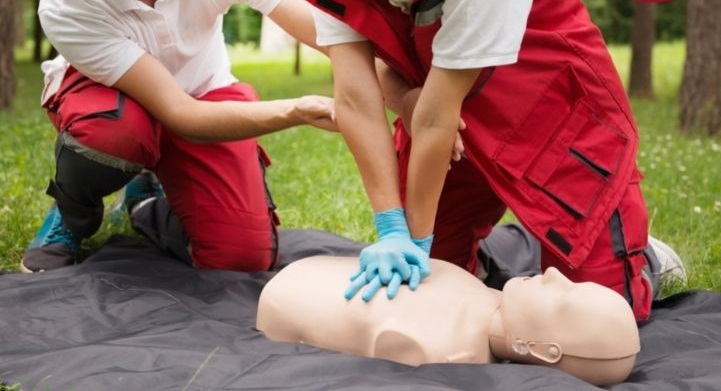
While on the internet sources offer beneficial info, nothing defeats hands-on method provided by qualified instructors throughout in-person sessions where you can connect with devices like AEDs and practice strategies on mannequins.
Key Components of Emergency treatment Courses
Understanding Different Types of Emergency Treatment Surges Available
When it pertains to choosing a first help course, you'll locate various offerings tailored for various requirements:
- Basic Life Assistance (BLS) Pediatric First Aid Wilderness First Aid Workplace Safety and security Training
Each type emphasizes unique web content based upon the environment where abilities might be applied.
Importance of Hands-On Practice in Learning Mouth-to-mouth Resuscitation Techniques
Why Practical Experience Issues Greater Than Concept Alone?
One major facet that establishes effective first aid training courses apart is the hands-on experience they use individuals. Involving directly with resuscitation methods allows learners not just to comprehend but likewise keep important info better than through lectures alone.
How Lengthy Does It Take To Full an Emergency Treatment Course?
Typical Period Ranges Based on Certification Type
Generally talking:
- Basic first-aid training might take anywhere from 4-8 hours. Comprehensive programs like First Help and mouth-to-mouth resuscitation course could last as much as 16-20 hours over several days.
The period frequently relies on certification requirements or business needs.

What Is Covered in a Normal Emergency Treatment Course?
Key Subjects Generally Included
Recognizing emergencies Assessing victims' conditions Performing CPR Using AEDs Treating injuries & & burns Managing choking incidentsThese foundational topics prepare individuals for various emergency situation situations they'll likely run into throughout life.

FAQs About First Aid Courses
FAQ 1: What ought to I offer my first aid course?
Most programs give devices; nonetheless, bringing individual note-taking materials can aid boost your understanding throughout sessions.
FAQ 2: How usually ought to I restore my certification?
Typically every 2 years is recommended; this ensures you're updated on any changes in standards or treatments within first-aid practices.
FAQ 3: Can I obtain my qualification online?
While some parts may be finished online (like theory), sensible skills need to normally be shown in person under guidance before accreditation is granted.
FAQ 4: Do I require prior experience before enrolling?
No previous experience required! Most beginner-level courses welcome those with no background expertise whatsoever; they're created specifically for newcomers!
FAQ 5: What influence does learning first-aid have at my workplace?
Having certified team fosters an environment where safety and security becomes focused on-- it outfits co-workers with essential abilities leading towards quicker responsiveness throughout unexpected events!
FAQ 6: Are there special factors to consider relating to youngsters's security when finding out about pediatric-first-aid?
Absolutely! Pediatric-specific programs focus greatly on age-related nuances making sure caretakers feel great reacting appropriately when faced with emergency situations entailing infants/children!
Conclusion
Understanding the leading myths concerning emergency treatment training courses helps debunk this essential training while encouraging extensive engagement across demographics that may or else hesitate due misunderstandings! Not just does completing such programs encourage people within neighborhoods-- they additionally foster more secure atmospheres through enhanced understanding combined with readiness among residents all over making every effort in the direction of improved wellness end results total! So don't hesitate-- enlist today right into one of those impactful CPR or various other relevant first-aid-courses!